Ozark Folk Center State Park


What to know
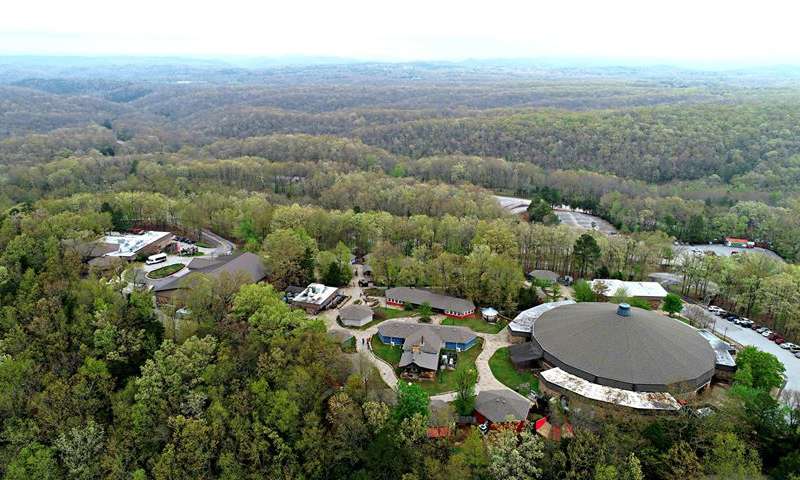
In the Craft Village at Ozark Folk Center, more than 20 working artisans demonstrate, create, and sell handmade items Tuesday through Saturday in season. Handcrafted items like flame-painted copper jewelry, leather purses and goods, baskets, brooms, stained glass, ironwork, pottery, knives, weavings, quilts, wood carvings, spun yarn, soap, candles, and more are made onsite. We offer season passes and tickets for admission to both the Craft Village and to see music shows. Artisans also host workshops throughout the year for a more immersive crafting experience with personal attention and hands-on instruction. You can register for workshops and buy tickets to shows online.
The Heritage Herb Garden is where old-time pass-along plants, medicinal herbs, native plants, and edible herbs are grown. The Garden functions as a living classroom for workshops and programs. Events celebrating both culinary and medicinal herbs are held in May and October.
Music is at the heart of this park. Fiddle, banjo, guitar, mandolin, dulcimer, and autoharp are just some of the instruments that combine to produce that enduring Ozark Mountain sound. While you're in the Craft Village, check out live music on the Blacksmith Stage throughout the day. You don't want to miss the talented local musicians that perform in this intimate setting. The 1,000-seat Ozark Highlands Theater hosts live concerts, special events, bringing legendary artists from all facets of Americana music to the stage. Workshops are also available at scheduled times for musicians and dancers of all skill levels.
You can also be a part of Ozark Highlands Radio, a syndicated program recorded at the park that shares the music and stories of the Ozark region. The weekly program is available on multiple public radio stations or to audiences anywhere on Soundcloud, iTunes, and OzarkHighlandsRadio.com.
When booking a visit, check availability at The Cabins at Dry Creek, our beautiful cabins with suites available, and amenities of home. Enjoy Southern cooking in the Skillet Restaurant. One of Arkansas’s five lodge parks, the Ozark Folk Center also has a conference center with facilities for unique and memorable meetings.
Heirlooms Kitchens,
a café offering delectable food options, daily specials and freshly baked goods
in the Craft Village.
Plan Your Adventure
Your whole family will love the beautiful Ozark rooms, all at ground level, featuring different layouts and options to suit your stay. All rooms will sleep from 2 to 4 people and some of them have an option of a secured pass-through door allowing you the option of combining rooms. Give the room amenities a look to find the right options for your comfort while staying with us.
Options include:
• King rooms
• King rooms with ADA options
• Family rooms with a queen and bunk bed
• Double queen rooms
• Suites that include a king bed in one room, a living area with a pullout couch, sink, microwave, and dishes in the other.
• King deluxe rooms featuring an open style bedroom living area. This includes a pullout couch in the living area, a sink and microwave in the dining area, a set of four plates, silverware and glasses. Additionally this room features our largest oversized bathroom.
All rooms are set standard with a telephone, TV, wireless Internet, microwave, mini-refrigerator, iron, and ironing board, hairdryer and coffee pot. There are large windows and glass doors that open onto small porches or decks, most with a scenic wooded view.
*Note extra charge of $45 + tax for designated dog-friendly cabin rentals. You must bring kennel and current shot records. No cats allowed.